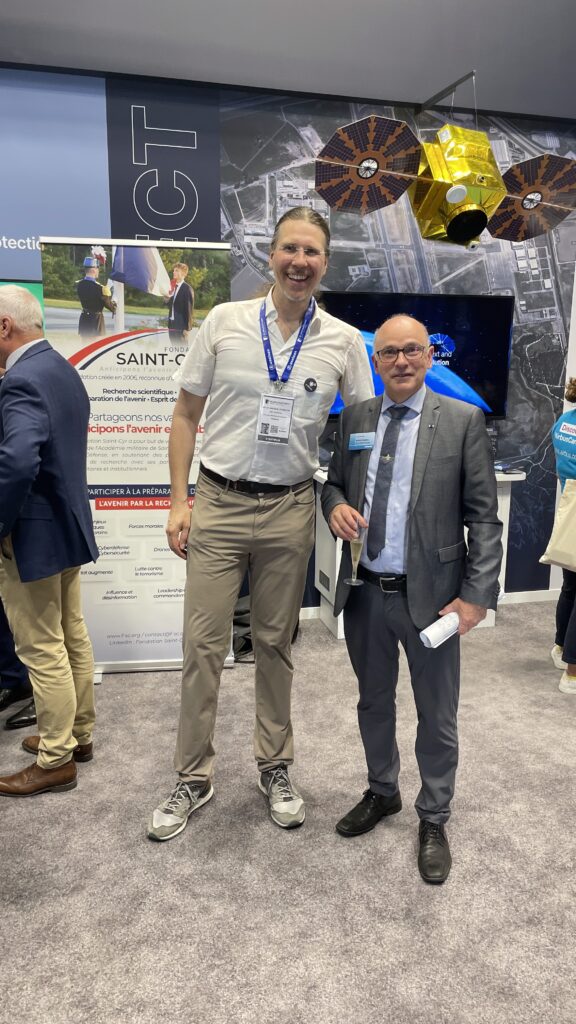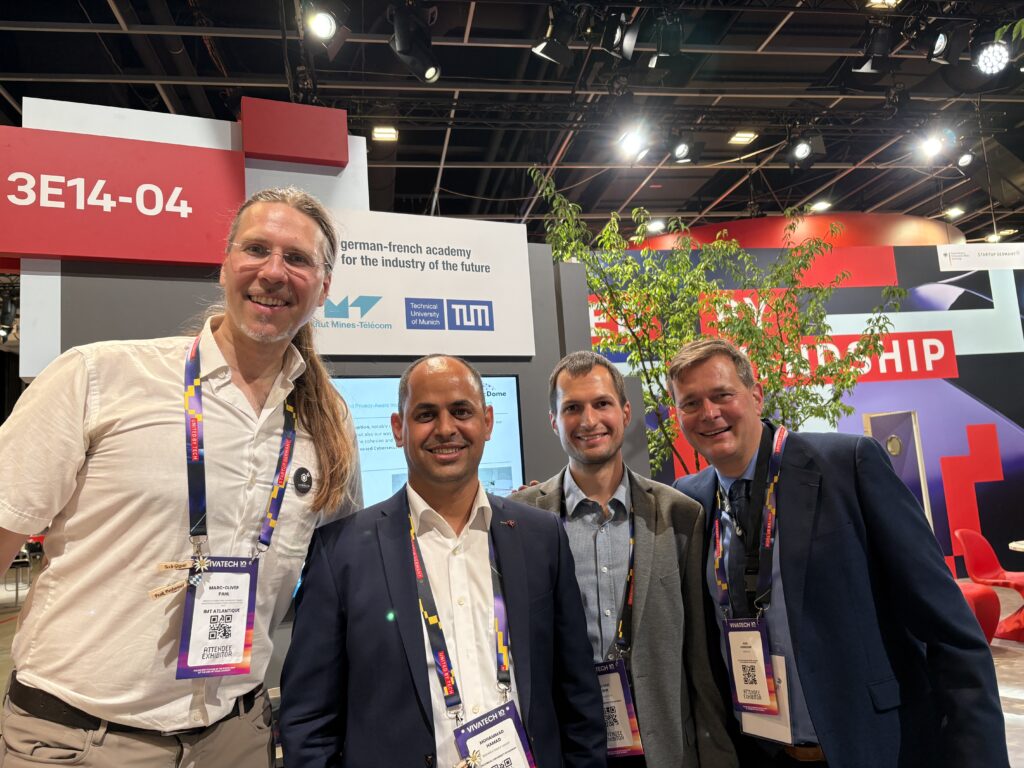
🇪🇺 Sometimes a birthday cake tells a bigger story than a hundred project reports.
When we cut the birthday cake at Viva Technology 2026 to celebrate the 10th anniversary of the German-French Academy for the Industry of the Future (GFA), I suddenly realized something.
We were not celebrating ten years of an institution.
We were celebrating ten years of relationships.
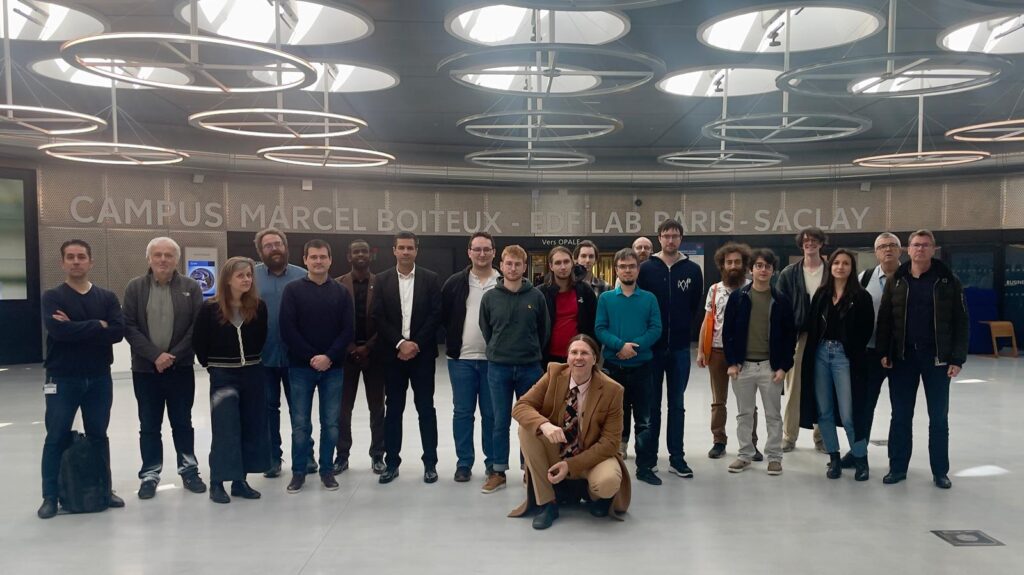
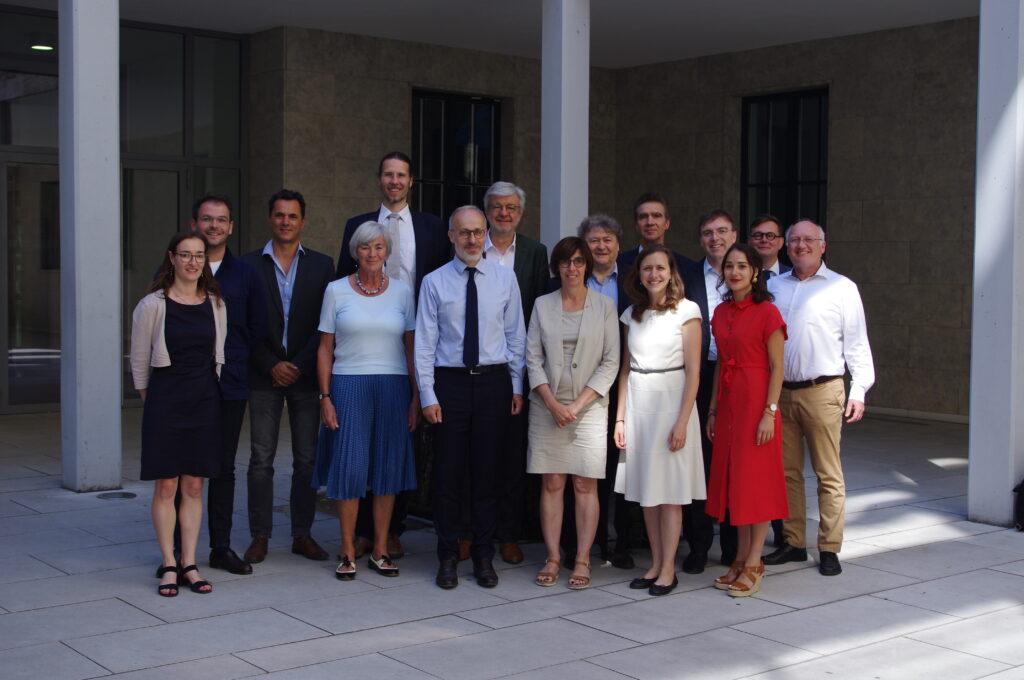
Researchers greeting collaborators they had not seen for years.
Students introducing mentors from another country.
Industrial partners already discussing the next joint project.
Friends meeting again.
Looking back over almost a decade, I realized that the Academy’s greatest achievement was never a single research project, a doctoral school or an innovation event.
It was creating a community.
That reflection led me to write something I had wanted to write for quite some time.
Not a birthday message.
Not a project report.
But an essay about something I have gradually come to regard as one of Europe’s most important strategic capabilities:
How do we build international innovation ecosystems?
Over the past ten years, I have had the privilege of helping shape this journey through collaborative research projects, educational initiatives such as Future-IoT, lifelong learning, strategy development and the Steering Committee of the Academy.
Along the way I discovered something that surprised even me.
Many of the most successful collaborations started with nothing more than a short conversation.
Projects ended.
Communities continued.
The article is my attempt to distill what ten years of Franco-German collaboration have taught me—not only about research and education, but about trust, ecosystem building and Europe’s future.
Among the ideas that stayed with me most are:
🔹 Research projects do not create ecosystems. People do.
🔹 Relationships deserve institutions.
🔹 Communities are Europe’s most valuable innovation infrastructure.
Thank you to everyone who helped build this remarkable community over the past decade—especially Paul-Guilhem Meunier, whose ability to cultivate ecosystems rather than merely manage projects has inspired me throughout these years, and to the many wonderful colleagues from IMT, TUM, DFH/UFA, industry and public institutions who made this journey possible.
I hope you enjoy reading it.
👉 Continue reading…
🇪🇺❤️🇫🇷🤝🇩🇪