Chaire Cyber CNI

Chaire Cyber CNI – Cybersecurity for Critical Networked Infrastructures

European Innovation Ecosystems: Lessons from Ten Years of the German-French Academy for the Industry of the Future

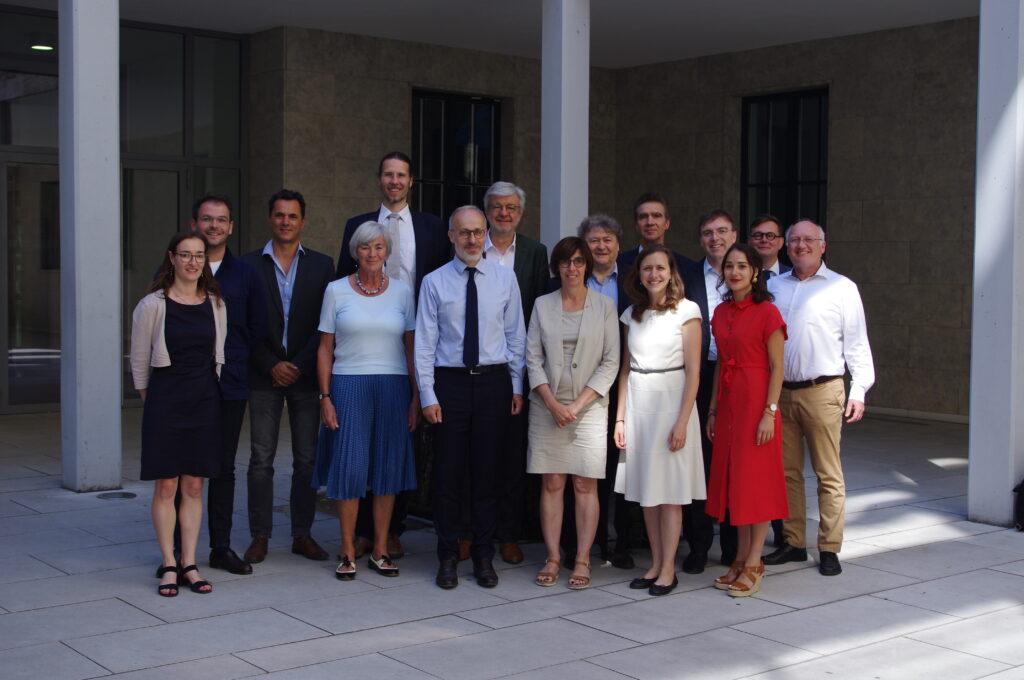
🇪🇺 Sometimes a birthday cake tells a bigger story than a hundred project reports.

When we cut the birthday cake at Viva Technology 2026 to celebrate the 10th anniversary of the German-French Academy for the Industry of the Future (GFA), I suddenly realized something.

We were not celebrating ten years of an institution.

We were celebrating ten years of relationships.

Researchers greeting collaborators they had not seen for years.

Students introducing mentors from another country.

Industrial partners already discussing the next joint project.

Friends meeting again.

Looking back over almost a decade, I realized that the Academy’s greatest achievement was never a single research project, a doctoral school or an innovation event.

It was creating a community.

That reflection led me to write something I had wanted to write for quite some time.

Not a birthday message.

Not a project report.

But an essay about something I have gradually come to regard as one of Europe’s most important strategic capabilities:

How do we build international innovation ecosystems?

Over the past ten years, I have had the privilege of helping shape this journey through collaborative research projects, educational initiatives such as Future-IoT, lifelong learning, strategy development and the Steering Committee of the Academy.

Along the way I discovered something that surprised even me.

Many of the most successful collaborations started with nothing more than a short conversation.

Projects ended.

Communities continued.

The article is my attempt to distill what ten years of Franco-German collaboration have taught me—not only about research and education, but about trust, ecosystem building and Europe’s future.

Among the ideas that stayed with me most are:

🔹 Research projects do not create ecosystems. People do.

🔹 Relationships deserve institutions.

🔹 Communities are Europe’s most valuable innovation infrastructure.

Thank you to everyone who helped build this remarkable community over the past decade—especially Paul-Guilhem Meunier, whose ability to cultivate ecosystems rather than merely manage projects has inspired me throughout these years, and to the many wonderful colleagues from IMT, TUM, DFH/UFA, industry and public institutions who made this journey possible.

I hope you enjoy reading it.

👉 Continue reading…

🇪🇺❤️🇫🇷🤝🇩🇪
Wrapping Up an Inspiring Journey in the New Master Cybersecurity Program at IMT Atlantique

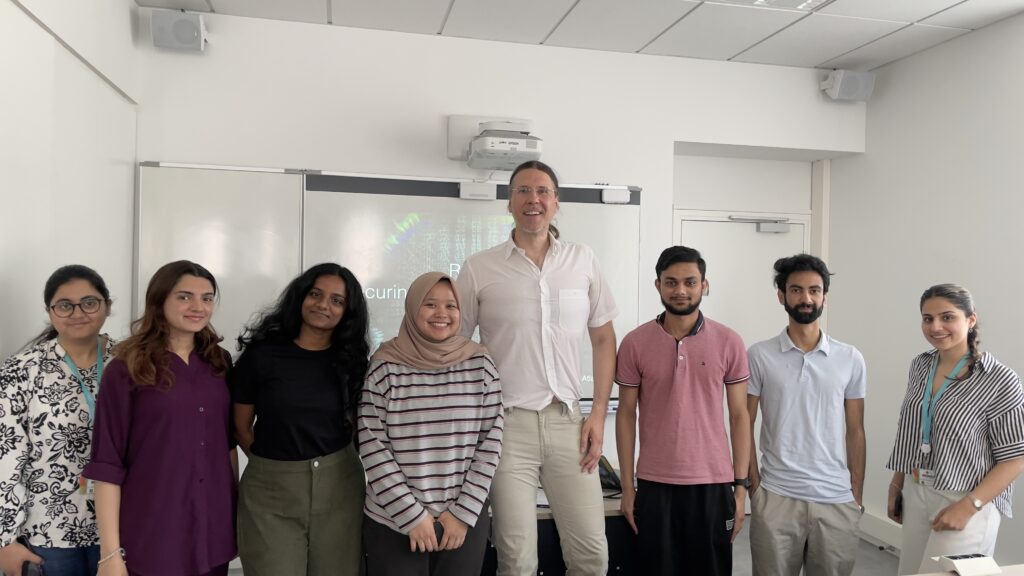
Today was the final session of my teaching engagement in the new Master Cybersecurity program at IMT Atlantique in Rennes — and what an inspiring experience it has been.

Over the past weeks, I had the pleasure of teaching a fantastic group of students in our course on *Securing Critical Infrastructures*. With 8 female and 2 male students, the class brought together strong technical backgrounds, curiosity, critical thinking, and excellent discussions throughout the course.

We explored topics such as:
🔹 OT vs IT security
🔹 Industrial Control Systems (ICS)
🔹 Attack chains and cyber resilience
🔹 Security-by-design
🔹 Monitoring and anomaly detection
🔹 Human-centered cybersecurity
🔹 QUANTUMINSERT, Snowden, and the ethics of cybersecurity

For today’s final recap session before Friday’s exam, we connected all course topics into one big picture: how modern connectivity creates both enormous opportunities and major attack surfaces for critical infrastructures.

I was also very happy to invite two colleagues working with me on current cybersecurity projects:

🔹 Axel Dupraz presented hands-on demonstrations around real-world critical infrastructure cybersecurity challenges and operational exercises.

🔹 Fabien Eyssartier, working with me on the Horizon Europe project CyberSecDome, demonstrated next-generation cybersecurity interfaces and immersive approaches for future SOC environments. This led to fascinating discussions on usability, operator support, situational awareness, and human-centered cybersecurity.

One thing became very clear once again:
Cybersecurity is not only about technology. It is also about humans, communication, decision-making, resilience, and responsibility.

A huge thank you to all students for the excellent atmosphere, the energy, and the many thoughtful discussions throughout the course. Teaching becomes truly rewarding when students actively contribute their own perspectives and experiences.

Now only the written exam on Friday remains.

Good luck to all of you — and thank you for this great experience!

#Cybersecurity #CriticalInfrastructure #ICS #OTSecurity #CyberResilience #SecurityByDesign #CyberDefense #CyberSecDome #HorizonEurope #IndustrialCybersecurity #HumanCenteredCybersecurity #IMTAtlantique #Rennes #Teaching #CyberEducation

CyberCTF – A Reusable French-German Capture The Flag Platform Including Demonstrational Cybersecurity Teaching Elements

🔒 Exciting News in Cybersecurity Education! 🔒

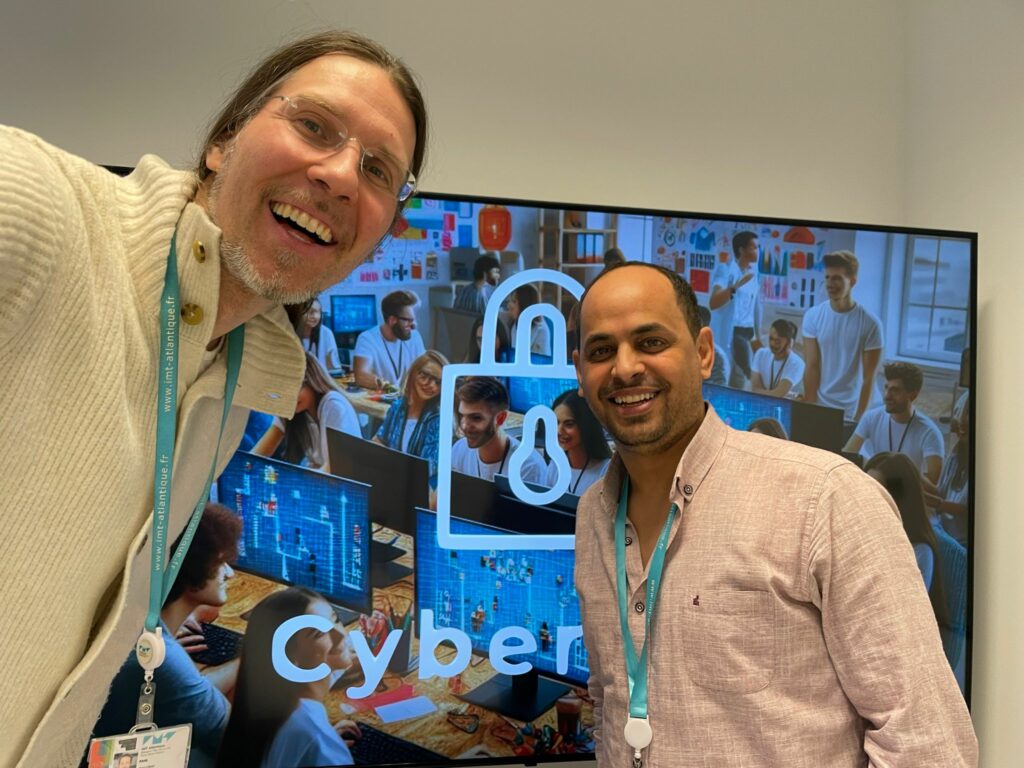
Discover the collaborative journey of the CyberCTF project, revolutionizing cybersecurity education! Mohammad Hamad from TUM and Marc-Oliver Pahl from IMT Atlantique lead the charge, refining the CyberCTF platform and exploring collaborations with local Hacklantique organizers. Don’t miss this glimpse into the future of cybersecurity education! [insert link] #Cybersecurity #Education #Innovation

Visiting the big crisis management exercise at the ENSIBS

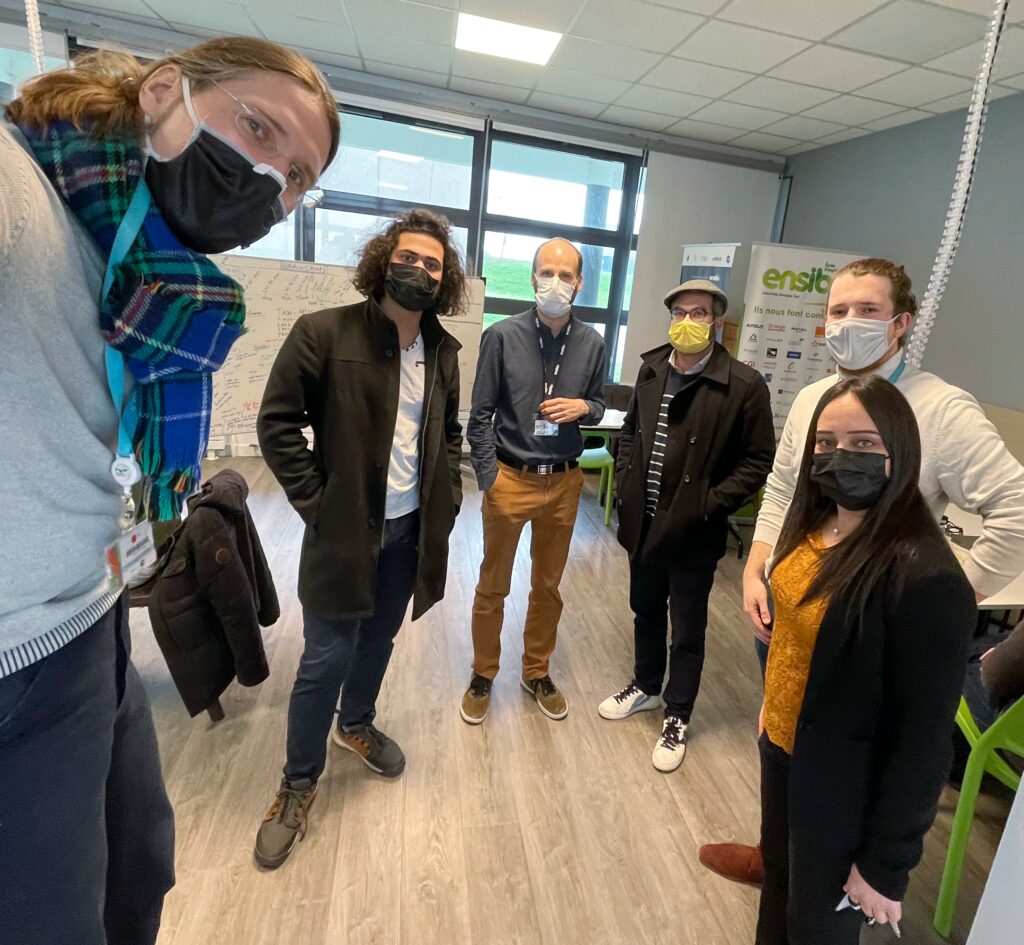
Being part of the wonderful cybersecurity ecosystem in Brittany, we visited the ENSIBS and their excellent cybersecurity crisis management exercise. We used the visit not only to get impressed but also to make contact with potential future PhDs and PostDocs at the chaire, and of course to discuss joint research and teaching. Thanks a lot for the invitation!

Final year student project – Autoprotection : éthique VS agents autonomes et algorithmes

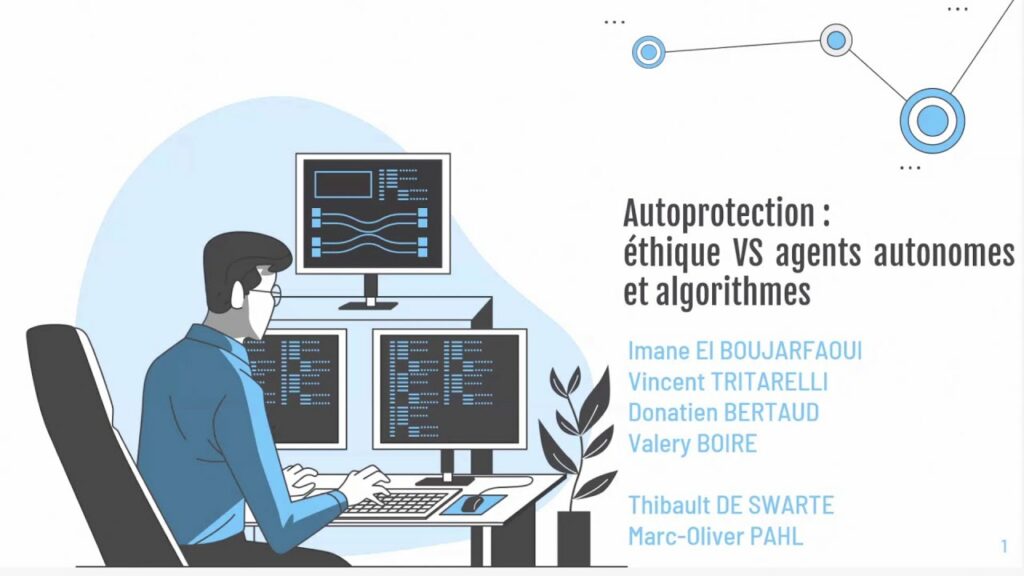
The chair is also active in teaching. The final year student project “Autoprotection : éthique VS agents autonomes et algorithmes” looks at an important aspect of our technology-dependent world: ethical aspects of autonomous functionality. Good examples are self-driving / autonomous cars, building automation, or production sites. Maintaining and increasing cybersecurity are a key goals for autonomous functionality. Enjoy the video of the intermediate presentation with the current results! (in French)

View More